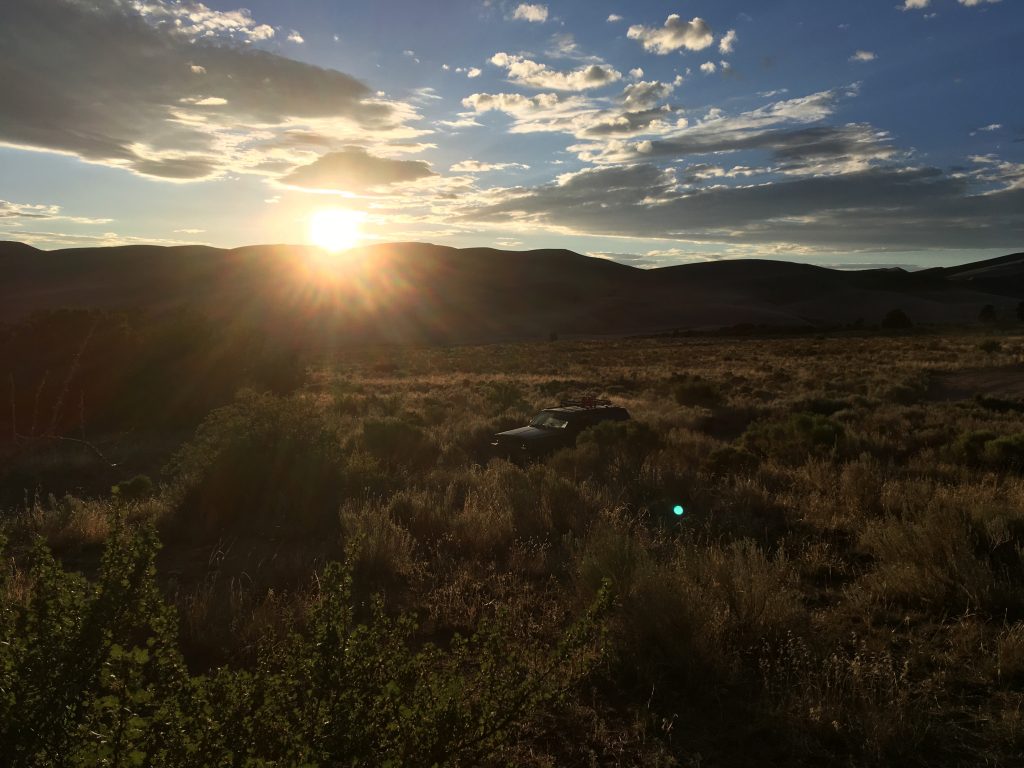
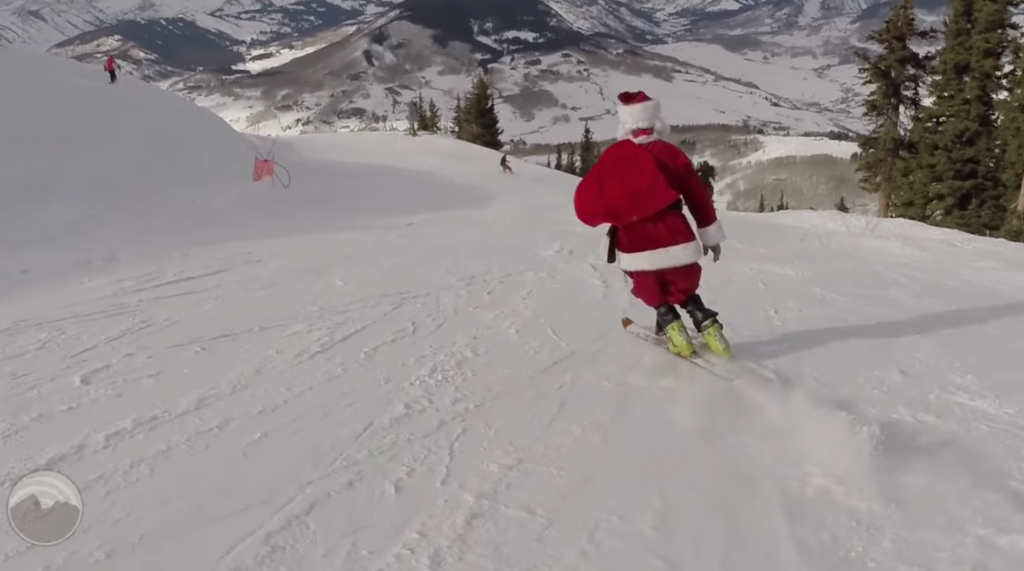
Adventure Unlimited Ranches, Buena Vista, Colorado, United States
4 January 2010
Christmas this year was a blast. I was up at the Adventure Unlimited Ranches in Buena Vista, Colorado with my mom. My primary job was to drive ski vans to Monarch and other ski areas as necessary, but I was also asked to put the “end of camp slideshow” together. Guests submitted their photos and Andy helped me sort through them (though, we asked the submitters to do a bit of editing themselves – this helped heaps). I took little video clips throughout the week and put it all together in iMovie.
In looking for a good soundtrack, I texted my friend Alex Cook and asked if I could feature songs from his recently released “Tree of Life” album and he was all for it. Better yet, he was cool with me posting the whole thing to YouTube. Since YouTube limits videos to 10 minutes, the slideshow is in two parts, both are below. Enjoy!
At Christmas Camp in Buena Vista, CO we offered something new this year: backcountry skiing. We only had one camp guest sign up, but that was just fine as seven staff (including myself) went on this trip. The slopes were gentle and the weather was perfect. See it all in the video below. I originally had Tegan and Sarah’s “Take Me Anywhere” as the sound track, but YouTube has a soundtrack copyright checker and disabled the audio. I think that’s pretty neat that they can check for that sort of stuff now, but it forced me to choose one of their “approved” audio tracks which was just a touch longer than the video so it gets cut off and I can’t fade it down for when I ask Daryl (our one guest) what he thinks of backcountry skiing. Fortunately, I had already added subtitles to the most important part of his response. Enjoy:
Our main objective in the two days we were back in Cusco was to get ready for the Ausangate trip. This included getting plenty of rest and getting our gear together. I needed to rent plastic mountaineering boots, crampons, an ice axe and a harness. Martin found Alfredo, a guide with Andean Destinations, who had everything I needed including a set of Asolo boots that were well worn. Nay, beaten – these boots had chunks of foam missing, delaminating Velcro, packed out liners and they stunk to high heaven. But they fit perfectly.
Dave and Martin went shopping to get our rations for the trip sorted out and now that the trip has passed, I can say they made some excellent choices. Though, most of the credit goes to our trip cook, Jose. I noticed he did some shopping along the way on the trek. Picking up fresh veggies and fruits from farm stands along the way and whipping it all up into multi-course gourmet meals each time we sat down to eat.
Instead of departing Cusco early in the morning as planned, we left late the night before for two reasons. First, the solstice celebrations were on the cusp of jamming up the city and second, the rumors of a farmers strike that we started hearing about in Patacancha were getting louder. They have been known to roll massive boulders out into the middle of the road in the wee hours of the morning just to jam things up to make their point. We wanted to avoid this so we made a late night escape out of the city to the small town of Tinki.
The Lares Trek was a short and sweet start to our adventure in the Peruvian Andes. It was just three days long and with the elevation only between 3,500-4,500m it gave us a nice gentle chance to acclimatize. We started with a three hour drive with a short stop in Calca to hit the market. Our guide, Guido, suggested we get some small toys or trinkets to give to the kids we’ll come across along the way. This was good advise as it provided a chance to give the kids a bit of joy and some nice photo-ops. The trek did start on a peculiar note however… we started at a hot springs. Usually, I would think this to be something to put at the end of a trek, but we didn’t put up much of a fuss.
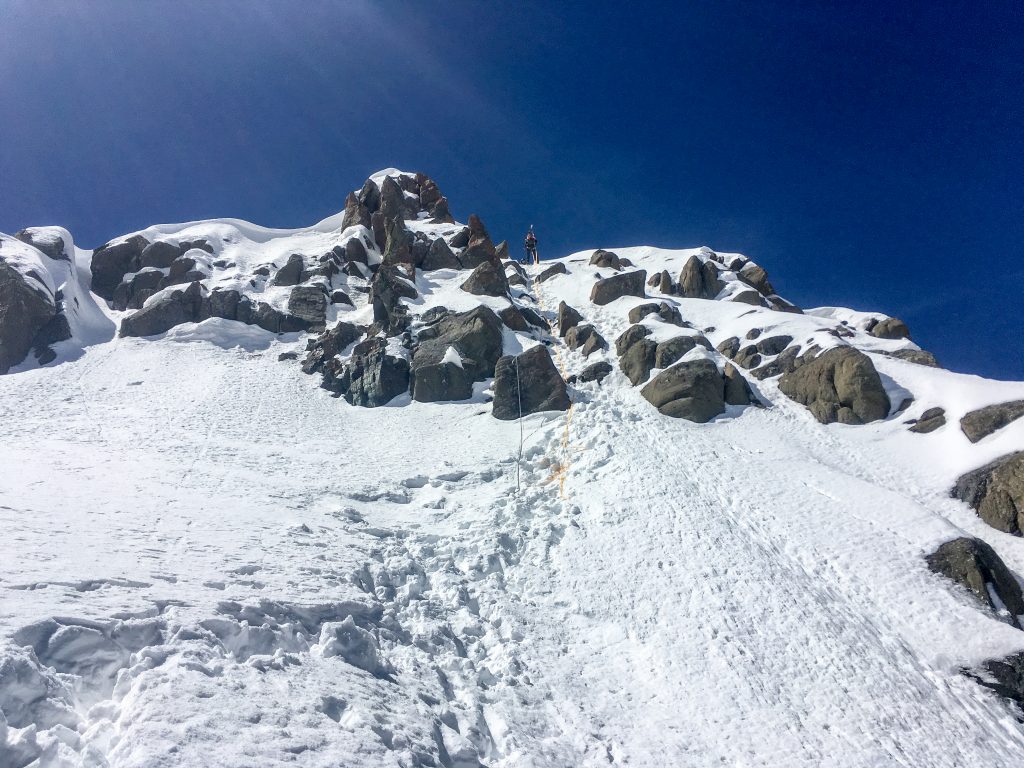
I took a deep breath of the thin 5,500m (18,000 ft) air, scanned the beautiful scene of jagged rocks, sparkling white snow and deep blue glacier ice around me and slowly became more comfortable in my thought that we would not reach the peak. This is always a hard decision for any climber to make but when it’s the right thing to do, pushing against it can lead to very uncomfortable and sometimes disastrous situations.
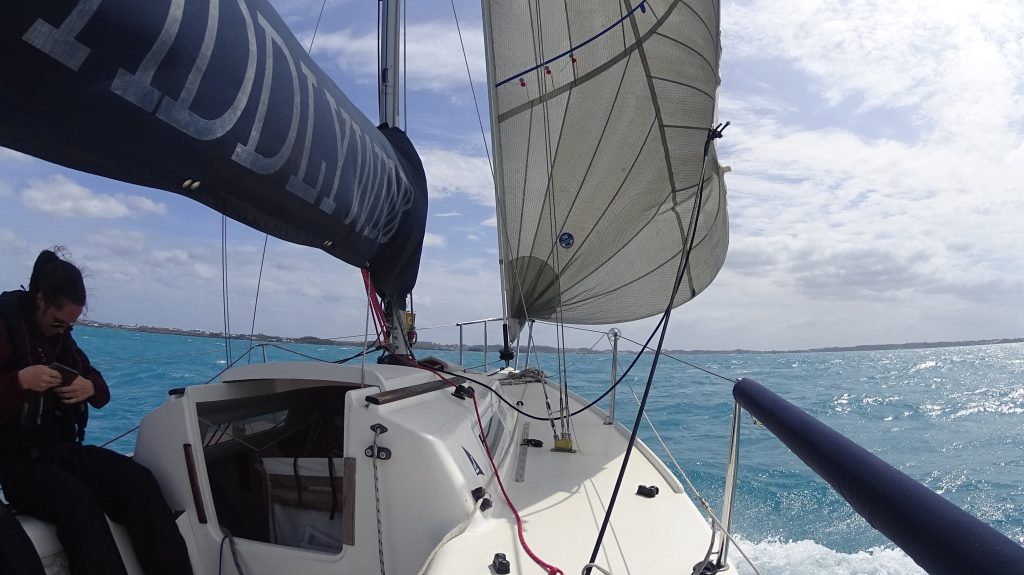
It was late afternoon when we motored from Shelter Bay Marina to the staging area in Bahia de Limon to await our pilot and extra line-handler. The past two days was a much needed rest after having just sailed over 1,700 miles from the Bahamas, around the western point of Cuba and due south across the Caribbean Sea. It wasn’t a lazy, sit by the pool with a frufy drink kind of rest. Rather it was a change from the ten days of being at sea where a constant watch is kept to ensure there is still wind in the sails, the course is maintained, the crew is rested and fed and collisions of any sort (with other vessels, drift wood, large containers or even land) are avoided.
A pod of dolphins escorted us out as we sliced through the electric blue waters, departing Paradise Island near Nassau in The Bahamas. With 15 knots of wind, our jib was enough sail to pull us along through the small swells of water as we headed out to sea. The joy and thrill of embarking on a 10-day, 1,700-mile voyage across the Caribbean Sea glowed from each of the four of us delivering this beautiful 65-foot catamaran sailboat to Panama City.
Although the calendar said it was the end of winter and the start of spring, Alaska clearly wasn’t paying attention. Nathaniel and I got a later than expected start (which we will find will actually become our norm) and we had to ski through a windy and dark -40F to make it to our first cabin. We only dared stop for mere moments to sip hot tea from a thermos (our water bottles, though insulated, had frozen solid) and split a large chocolate muffin. Yes, it was wicked cold at times and the wind was often howling, but it was beautiful. The photos (see more by clicking on this photo) and the video will never do that beautiful landscape justice (click “Full Story” below or the title above to see the video). But, come have a look and make this journey with us as best as we can share it.
With nearly 24 hours of recovery after the Chachani climb, Forrest and I headed to the bus station in Arequipa at 6am to spend most of the morning on the bumpy and swervy roads to the small town of Cabanaconde on the lip of Colca Canyon. Once we arrived, we figured it was too late to head down into the canyon for a day hike, so we checked into a hostel right in the central plaza and went for a hike around town.
The next morning we packed up and made our way into the canyon expecting a long and hard day of going down and coming back up the 1000m under the pounding sun. Little did we know there was a great place to spend the night down along the river at the base of the canyon. We were happy to take our time and lounge around the spring fed pool, sleep in grass huts and make the steep and long ascent in the relatively cool hours of the morning in the shade of the eastern wall of the canyon that we were climbing.
Climbing above 6,000 meters (nearly 20,000 feet) is nothing that should be taken lightly. Even if the actual vertical of the climb is just over 1,000 meters (3,500 feet).
I arrived in Arequipa, Peru after three weeks of skiing up in the Colorado Rockies. I was camped at about 9,000 feet and would get up to 12,000 feet on some days while skiing. Granted, I took the chairlift, but I convinced myself this was sufficient time to be ready for a climb to 6,000 meters. I was nearly right.